
Online Dermatology
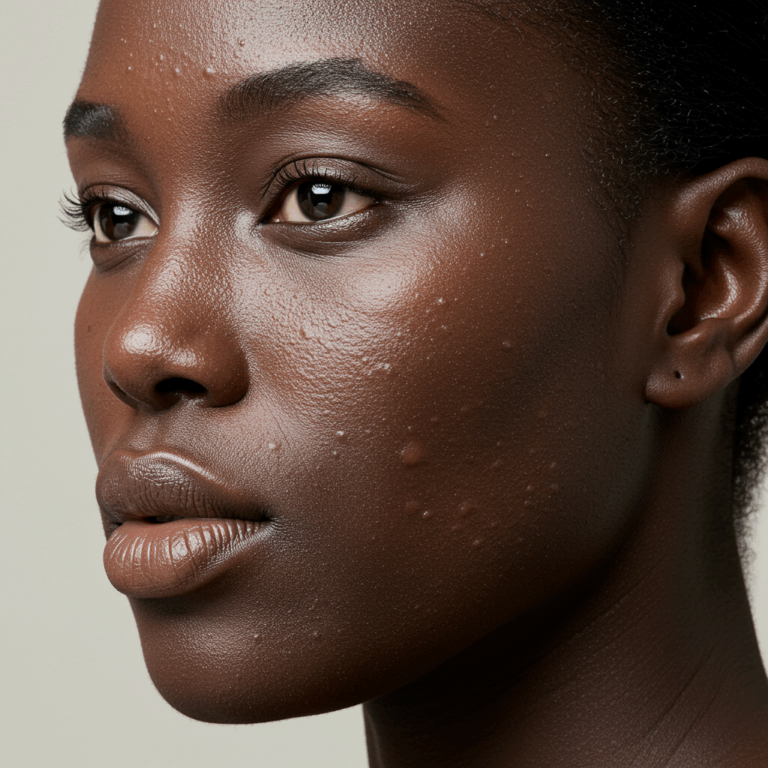
Online Consultation Benefits
- Easy to use
- No waiting times
- Access wherever you are
- Prescriptions sent to a local pharmacy of your choice
- Get referrals to an NHIA hospital near you
- All of your physical and mental concerns are treated in confidence
Dermatology at Consultdoc
You will be able to speak with our online dermatologist, upload photographs of your skin and be examined over video. If medication is recommended your prescription will be sent to a PCN-registered pharmacy of your choice.
Should you require a further specialist assessment or treatment, our clinicians can refer you to a MDCN registered specialist dermatologist.
How do our consultations work?
Three easy steps:

Step 1
Create Or Sign Into Your Profile
Step 2
Book And Pay For An Appointment
Step 3
Consult Online with a Doctor
Book An Appointment
Consultdoc is an online doctor platform that offers convenient direct access to a private doctor online at the comfort of your home or office at a suitable time and is authorised by the Federal Ministry of Health & Social Welfare to provide medical services in Nigeria.
Email Us
info@consultdoc.ng
Skin Condition Support
with Our Online Medical Team
Register now
Following your consultation with us, the doctor will be able to offer you treatment options such as a prescription, advice on self help measures, follow up appointments or simply refer you to a hospital specialist.
A Selection Of Skin Disorders
Acne
Actinic Keratoses
Alopecia Areata
Atopic Eczema
Balanitis
Basal Cell Carcinoma
Benign Mole
Bowen’s Disease
Cellulitis
Contact Dermatitis
Cysts
Dermatofibroma
Eczema
Erythema Nodusom
Folliculitis
Fungal Nail Infections
Hyperhidrosis
Impetigo
Insect Bites or Stings
Keloids
Lichen Planus
Malignant Melanoma
Molluscum Contagiosum
Pityriasis Rosea
Pityriasis Vesicolor
Psoriasis
Rosacea
Scabies
Seborrhoeic Dermatitis
Seborrhoeic Keratosis
Shingles
Solar Keratosis
Squamous Cell Carcinoma
Telogen Effluvium
Tinea Capitis
Urticaria
Vitiligo
Warts
Allergies
Our Related Blogs
Fungal Rash That Appears Mostly In Summer – Pityriasis Vesicolor
Lyme Disease: How Common Is It And What To Do After A Tick Bite?
What is Acne?
Acne is a very common skin condition. It causes different types of spots known as blackheads, whiteheads, and pus-filled spots called pustules. Acne ranges from a few spots on the face, neck, back, and chest, which most teenagers will have at some time, to a more severe problem that may cause scarring and reduce self-confidence.
About 95% of people aged 11 to 30 are affected by acne to some extent. Treatment for acne depends on how severe it is. It can take several months of treatment before acne symptoms improve.
What treatment can you expect from Consultdoc?
Our online GP can prescribe, for example, topical retinoids and/or oral medications like antibiotics to help treat mild to moderate acne. In severe cases, you will be recommended to see a dermatologist, to which we can refer you.
What is Actinic keratoses?
Actinic keratoses forms on areas of sun-damaged skin found predominantly on sun-exposed parts of the body, particularly the forearms, backs of the hands, face, ears, bald scalp and the lower legs. They may also occur on the lips.
What causes actinic keratoses?
It is caused by cumulative sun exposure over many year and are therefore more common in older people.
What treatment can you expect from Consultdoc?
If you have actinic keratoses, our doctor will advise that you can use sunscreen with a sun protection factor (SPF) of at least 30 before going out into the sun and reapply regularly. Wear a hat and clothing that fully covers your legs and arms when you’re out in the sunlight.
Our online GP can prescribe special cream and gels, these include 5-fluorouracil or imiquimod which are effective treatments for actinic keratoses.
What is Alopecia Areata?
Alopecia areata is a common cause of non-scarring (does not cause scarring to the scalp) hair loss that can occur at any age. It usually causes small, coin-sized, round patches of baldness on the scalp.
What causes alopecia areata?
Hair is lost because it is affected by inflammation.It is thought that the immune system, the natural defence which normally protects the body from infections and other diseases, may attack the growing hair.
What treatment can you expect from Consultdoc?
Alopecia areata itself has no adverse effect on physical health. The treatments that are available online include: steroid cream, minoxidil, and dithranol cream.
What is Atopic Eczema?
Atopic eczema is also known as atopic dermatitis and is the most common form of eczema, a condition that causes the skin to become itchy, dry, and cracked. It is more common in children, often developing before their first birthday, but it may also develop for the first time in adults. It is usually a long-term condition, although it can improve significantly, or even clear completely, in some children as they get older.
What causes atopic eczema?
There is no known single cause for atopic eczema. It is a complex condition involving genetic, allergy problems, and environmental factors, leading to a dysfunctional skin barrier. Hair is lost because it is affected by inflammation. It is thought that the immune system, the natural defense which normally protects the body from infections and other diseases, may attack the growing hair.
What treatment can you expect from Consultdoc?
Our doctors can recommend the regular application of a moisturiser also known as an emollient and washing with a moisturiser instead of soap. Topical steroid creams or ointments will usually improve the redness and itching of active atopic eczema.
What is Balanitis?
What causes balanitis?
Balanitis may be caused by different conditions such as irritations or infections of the skin of the penis.
What treatment can you expect from Consultdoc?
Our doctors will advise you to pull back your foreskin and wash your penis every day with warm water. Depending on the suspected cause of balanitis, they can prescribe antibiotics, antifungal, or a mild steroid cream.
What is Basal Cell Carcinoma (BCC)?
BCC is a type of skin cancer typically an ulcer with a raised rolled edge or a pearly nodule on the skin.
What causes Basal Cell Carcinoma?
It is mostly caused by exposure to ultraviolet (UV) light from the sun or from sunbeds. BCC’s can occur anywhere on the body but are most common on areas that are exposed to the sun such as your face, head, neck, and ears.
What treatment can you expect from Consultdoc?
Our doctors will usually recommend an NHS dermatology referral if you have a skin lesion that raises the suspicion of basal cell carcinoma.
What is a Benign Mole?
Benign moles are small, coloured spots on the skin which are usually harmless. You will only need to see a doctor if you notice you have a mole that has recently changed colour or has more than one colour or has changed size and shape.
What treatment can you expect from Consultdoc?
Our doctors can examine your mole from photos that you send in prior to your online consultation. They will advise you and are also able to refer you to a dermatologist if they have concerns about a mole on your skin.
What is Bowen’s Disease?
Bowen’s disease is a very early form of skin cancer that is confined to the outer layer of the skin. It is not a serious condition. Bowen’s disease usually appears as a red scaly patch on the skin that has clear edges and does not heal.
What causes bowen’s disease?
Most cases of Bowen’s disease develop as a result of long-term sun exposure, having weak immunity or after radiotherapy treatment. The concern is that Bowen’s disease can eventually develop into a different type of skin cancer called squamous cell skin cancer if it is left undiagnosed or neglected.
What treatment can you expect from Consultdoc?
Our doctors can prescribe imiquimod or 5-fluorouracil cream which is applied to the affected skin regularly for a few weeks. It may cause your skin to become red and inflamed before it gets better. Our GP’s can also refer you to a dermatologist to consider other treatment.
What is Cellulitis?
Cellulitis are common infections of the skin. It makes your skin painful, hot and swollen. The area usually looks red, but this may be less obvious on brown or black skin.
What causes cellulitis?
If there is a break in your skin through scratches or an insect bite, a bacteria (germ) can get into this break and cause an infection in the skin.
What treatment can you expect from Consultdoc?
Our doctors will be able to prescribe a short course of antibiotic treatment. Make sure you let the doctor know if you have any allergies to antibiotics so you can be prescribed the right medication that works for you.
What is Contact Dermatitis?
Contact dermatitis is a type of eczema triggered by contact with a particular substance.
What causes contact dermatitis?
Contact dermatitis can be caused by contact with irritating substances like detergents, solvents and hot water or when allergy develops to a specific substance that has been in contact with the skin. Example substances like hair dye, nail cosmetics, perfumes, metals such as nickel, rubber, and preservatives used in some cosmetics etc.
What treatment can you expect from Consultdoc?
Our doctors will usually advise you to try and avoid the irritants or allergens that trigger your symptoms, but understand this can be difficult sometimes. They will advise you on the regular application of moisturisers and can prescribe some steroid creams or ointments.
Cysts
Understanding Cysts and How Consultdoc Can Help
Cysts are fluid-filled sacs that can develop anywhere on the body. They are often harmless, but in some cases, they may cause discomfort, infection, or cosmetic concerns. Common types include sebaceous cysts, ganglion cysts, and ovarian cysts.
At Consultdoc, our healthcare professionals provide support in identifying, monitoring, and treating cysts effectively. We offer:
Clinical assessments and proper diagnosis
Treatment recommendations including drainage or surgical options (when necessary)
Monitoring for signs of infection or complications
Guidance on skin health and preventive care
Whether it’s for peace of mind or treatment planning, Consultdoc is here to help you manage cysts with expert care and attention.
Dermatofibroma
What is a Dermatofibroma?
A dermatofibroma is a common, benign skin growth that typically appears as a small, firm bump on the skin—often on the legs, arms, or shoulders. These growths are usually harmless, though they may become itchy, tender, or bothersome cosmetically.
Key Characteristics:
Firm, raised bump (brown, red, or pink)
Feels like a hard knot under the skin
Usually less than 1 cm in diameter
Doesn’t go away on its own
How Consultdoc Can Help
Consultdoc’s healthcare team can assist with:
Accurate assessment and diagnosis
Monitoring for changes in size, color, or texture
Treatment options, including surgical removal for cosmetic or symptomatic relief
Ongoing skin care support and education
Early evaluation ensures peace of mind. If you’re concerned about any skin growth, Consultdoc is just a call away.
Eczema
Eczema, or atopic dermatitis, is a common skin condition that causes redness, itching, and dryness. It can be triggered by allergens, stress, weather changes, or irritants like soaps and fabrics. Without proper care, eczema can disrupt daily life and lead to skin infections.
At Consultdoc, we help individuals and families manage eczema more effectively through expert advice and medical support. Our healthcare professionals can assist with:
Identifying and avoiding triggers
Recommending suitable skincare routines and treatments
Monitoring progress and adjusting management plans
Providing guidance on lifestyle habits to reduce flare-ups
Offering educational resources for long-term control
With Consultdoc, eczema care is made simple, effective, and accessible—ensuring comfort, confidence, and healthier skin.
Erythema Nodusom
Understanding Erythema Nodosum: Causes, Symptoms & Support
What is Erythema Nodosum?
Erythema Nodosum is a skin condition that causes tender, red bumps—usually on the shins. These bumps are a result of inflammation in the fat layer under the skin and can be triggered by infections, medications, or underlying health conditions like sarcoidosis or inflammatory bowel disease.
Common Symptoms:
Painful, red nodules on the lower legs (sometimes on thighs or arms)
Fever, fatigue, or joint pain
Swelling or bruising as nodules heal
Possible Triggers:
Bacterial or viral infections (e.g., strep throat)
Certain medications (like antibiotics or contraceptives)
Autoimmune conditions
How Consultdoc Can Help:
At Consultdoc, our healthcare professionals can:
Accurately diagnose the condition through clinical evaluation and lab tests
Identify and treat the underlying cause
Provide symptom relief with medications like anti-inflammatories
Offer follow-up care and guidance to prevent recurrence
Folliculitis
Folliculitis: Causes, Symptoms, and How to Manage It
What is Folliculitis?
Folliculitis is the inflammation or infection of hair follicles, often caused by bacteria, fungi, or irritation. It appears as small red bumps or white-headed pimples around hair follicles and may be itchy or painful.
Common Causes:
Bacterial infections (usually Staphylococcus aureus)
Friction from shaving or tight clothing
Blocked follicles due to sweat, oils, or makeup
Hot tubs or swimming pools not properly chlorinated (hot tub folliculitis)
Symptoms to Look For:
Red, pimple-like bumps near hair follicles
Itching, tenderness, or burning sensation
Pus-filled blisters that may crust over
Scarring or dark spots if not properly treated
How to Treat and Prevent Folliculitis:
Keep the affected area clean and dry
Avoid shaving or wear loose-fitting clothing
Use antibacterial or antifungal creams as advised
In severe or recurring cases, oral antibiotics or medical evaluation may be needed
How Consultdoc Can Help:
Consultdoc offers personalized care to diagnose the cause of your folliculitis and recommend appropriate treatment. Our professionals provide advice on skin hygiene, prescribe medications if necessary, and support long-term prevention to keep your skin clear and healthy.
Fungal Nail Infection
What is a Fungal Nail Infection?
A fungal nail infection, or onychomycosis, is a common condition that affects the toenails or fingernails. It’s caused by fungi that thrive in warm, moist environments and gradually invade the nail bed, leading to discolouration, thickening, and brittle nails.
Common Causes:
Prolonged exposure to damp or sweaty environments
Walking barefoot in communal showers or swimming pools
Wearing tight or poorly ventilated shoes
Existing nail injuries or skin conditions like athlete’s foot
Signs and Symptoms:
Yellow, white, or brown nail discolouration
Thickened, brittle, or crumbling nails
Nails separating from the nail bed
Foul odour or discomfort in the affected area
Treatment Options:
Topical antifungal creams or lacquers
Oral antifungal medications for more severe cases
Laser therapy or minor nail removal in stubborn infections
Proper foot hygiene and nail care to prevent recurrence
How Consultdoc Can Help:
At Consultdoc, we provide expert assessment and tailored treatment for fungal nail infections. Whether you need a prescription, nail care advice, or ongoing support, our healthcare professionals are here to help restore healthy nails and confidence.
Hyperhidrosis
What is Hyperhidrosis?
Hyperhidrosis is a medical condition characterized by excessive sweating beyond what is needed to regulate body temperature. It can affect specific areas like the palms, soles, underarms, or the entire body, often interfering with daily activities and causing emotional distress.
Types of Hyperhidrosis:
Primary (Focal) Hyperhidrosis: Often hereditary, it typically affects specific areas such as hands, feet, and underarms.
Secondary Hyperhidrosis: Caused by underlying medical conditions (e.g., diabetes, infections, menopause) or certain medications, and often results in generalized sweating.
Common Symptoms:
Constant dampness or dripping sweat
Cold, wet palms or soles
Skin irritation or infections from moisture
Embarrassment or social anxiety related to sweating
Treatment Options:
Antiperspirants with aluminum chloride
Oral medications to reduce sweating
Botox injections for temporary relief in targeted areas
Iontophoresis (a device using mild electrical currents)
Surgical options in severe cases
Lifestyle adjustments and skincare to manage symptoms
How Consultdoc Can Help:
At Consultdoc, we offer personalised assessment and evidence-based treatment plans for managing hyperhidrosis. Our healthcare team works closely with you to find the most effective solution for long-term relief and improved quality of life.
Impetigo
What is Impetigo?
Impetigo is a highly contagious bacterial skin infection, most common in young children but can affect adults too. It typically causes red sores or blisters on the face, especially around the nose and mouth, which eventually burst and develop a yellow-brown crust.
Causes:
Impetigo is caused by Staphylococcus aureus or Streptococcus bacteria. It spreads easily through skin-to-skin contact or sharing personal items like towels, toys, or clothing.
Symptoms to Watch For:
Red, itchy sores or blisters
Honey-colored crusts after the blisters burst
Swollen lymph nodes (in some cases)
Rapid spreading of sores
Types of Impetigo:
Non-bullous impetigo: Most common, small red sores that quickly rupture
Bullous impetigo: Larger blisters filled with fluid, usually found on the trunk or diaper area
Treatment Options:
Topical antibiotics (like mupirocin) for mild cases
Oral antibiotics for more widespread infection
Good hygiene practices to prevent reinfection and spread
How Consultdoc Can Help:
Consultdoc provides prompt diagnosis and effective treatment for impetigo. Our team ensures early intervention to relieve symptoms, prevent complications, and stop the spread—especially important in households or schools.
Insect Bites or Stings
Insect bites or stings are common and often harmless, but they can cause irritation, allergic reactions, or, in rare cases, serious complications. Common culprits include mosquitoes, bees, wasps, ants, fleas, and midges.
Symptoms:
Redness and swelling at the site
Pain or itching
Blistering or raised bumps
In severe cases: difficulty breathing, dizziness, or swelling of the face/lips (signs of anaphylaxis)
Common Reactions:
Mild: Local itching, swelling, and discomfort that usually resolves in a few hours or days
Moderate to Severe: Allergic reactions needing medical attention, especially if symptoms spread or worsen
Treatment Tips:
Clean the area with soap and water
Apply a cold compress to reduce swelling
Seek immediate help for signs of severe allergic reaction
Preventive Advice:
Use insect repellents when outdoors
Wear long sleeves and trousers in high-risk areas
Keep food and drinks covered when outside
Avoid strong perfumes and bright clothing that attract insects
How Consultdoc Can Help:
Consultdoc offers quick access to medical support for insect bite or sting reactions. Whether it’s identifying an allergic response or recommending treatment, we help ensure safe and effective care for children, adults, and the elderly.
Keloids
What Are Keloids?
Keloids are thick, raised scars that form where the skin has healed after an injury. Unlike typical scars, keloids grow beyond the boundaries of the original wound and may continue to enlarge over time. They are not dangerous but can cause discomfort or self-consciousness.
What Causes Keloids?
Skin trauma (cuts, burns, piercings, surgery)
Acne or chickenpox scars
Inflammation or skin infections
Genetic factors, especially in individuals with darker skin tones
Common Signs:
Raised, firm areas on the skin
Pink, red, or dark coloring
Persistent itchiness or tenderness
Gradual increase in size
How Are Keloids Managed?
Managing keloids focuses on reducing discomfort and improving appearance. Options may include non-invasive therapies or procedures performed by a healthcare professional. It’s important to avoid self-treatment, as improper care can worsen the scar.
Prevention Tips:
Avoid unnecessary skin trauma (e.g., cosmetic piercings)
Keep wounds clean and covered
Monitor healing and seek advice early if abnormal scarring appears
Inform healthcare providers if you’re prone to keloids
How Consultdoc Can Help:
At Consultdoc, we connect you with professionals who can assess and guide you through the best care for keloid-prone skin. With expert advice and supportive care, you can confidently manage your skin health.
Lichen Planus
What Is Lichen Planus?
Lichen Planus is a non-infectious, inflammatory skin condition that can affect the skin, nails, scalp, and mucous membranes. It often appears as purplish, itchy, flat-topped bumps, and may cause discomfort depending on the area involved.
Common Causes and Triggers:
Although the exact cause is unknown, Lichen Planus is believed to be linked to an overactive immune response. Possible triggers include:
Stress
Skin injury
Allergic reactions
Certain underlying health conditions
Symptoms to Look Out For:
Itchy, shiny purple or reddish bumps on the skin
White patches or sores inside the mouth or on the tongue
Nail thinning or ridging
Hair loss or scalp irritation when the scalp is affected
Burning or soreness in affected areas
Is It Contagious?
No, Lichen Planus is not contagious and cannot be spread from person to person.
Managing Lichen Planus:
Supportive care focuses on reducing discomfort, easing itchiness, and minimizing flare-ups. Skincare routines, avoiding triggers, and regular check-ups with a healthcare professional are essential. In some cases, lifestyle adjustments or specialized dermatological treatments may be recommended.
How Consultdoc Can Help:
Consultdoc connects you with experienced professionals who can provide tailored support, help monitor flare-ups, and offer strategies to manage symptoms effectively. Whether it affects your skin, mouth, or nails, we’re here to guide you toward better comfort and confidence.
Malignant Melanoma
What Is Malignant Melanoma?
Malignant melanoma is a type of skin cancer that develops in the pigment-producing cells known as melanocytes. While less common than other skin cancers, melanoma is more aggressive and can spread to other parts of the body if not detected early.
Causes and Risk Factors:
Melanoma is often linked to excessive exposure to ultraviolet (UV) radiation from the sun or tanning beds. Other risk factors include:
Fair skin or light hair
A history of sunburns
Family history of melanoma
Having many moles or unusual moles
Weakened immune system
Signs to Watch For (ABCDE Rule):
Early detection is key. Look out for:
Asymmetry: One half of the mole doesn’t match the other
Border: Irregular, notched, or blurred edges
Color: Uneven shades of brown, black, or even red, white, or blue
Diameter: Larger than 6mm (about the size of a pencil eraser)
Evolving: Changes in size, shape, or color over time
Is It Treatable?
Yes. When detected early, melanoma can often be treated successfully. The chances of a full recovery improve significantly with prompt medical attention.
Prevention Tips:
Use sunscreen with broad-spectrum protection
Avoid tanning beds
Wear protective clothing and sunglasses in the sun
Regularly check your skin for changes
Schedule routine skin examinations with a professional
How Consultdoc Can Help:
At Consultdoc, we support individuals by offering access to experienced healthcare providers for early detection, ongoing skin monitoring, and expert guidance on managing skin health. If you notice any unusual skin changes, don’t wait—reach out for a professional consultation.
Molluscum Contagiosum
What Is Molluscum Contagiosum?
Molluscum contagiosum is a common, mild skin infection caused by a virus. It leads to small, firm, round bumps on the skin that are usually painless. This condition is most often seen in children but can also affect adults, especially those with weakened immune systems.
How Does It Spread?
Molluscum contagiosum spreads through direct skin-to-skin contact or by touching contaminated objects like towels, clothing, or toys. It can also spread through scratching or shaving over the affected area.
Key Symptoms:
Small, flesh-colored or pink bumps
Dimpled center (often with a waxy core)
Bumps may appear anywhere on the body
Itching or mild irritation in some cases
Is It Harmful?
In most cases, molluscum contagiosum is harmless and clears up on its own within 6 to 12 months. However, the bumps can sometimes persist longer or spread further, especially if scratched.
How to Manage and Prevent Spread:
Avoid touching or scratching the bumps
Do not share personal items like towels or razors
Keep the affected area clean and covered if needed
Encourage frequent handwashing
Avoid close contact sports until bumps are gone
When to Seek Medical Advice:
Consult a healthcare provider if:
Bumps become red, swollen, or painful
There is spreading to sensitive areas (like the face or genitals)
The condition doesn’t improve over time
How Consultdoc Can Help:
Consultdoc provides professional guidance and care to help you manage molluscum contagiosum effectively. Our team supports families in understanding skin infections, preventing spread, and maintaining healthy skin.
Pityriasis Rosea
What Is Pityriasis Rosea?
Pityriasis rosea is a temporary skin condition that usually begins with a single large patch (called a “herald patch”), followed by a wider rash that can spread across the chest, back, or limbs. It is not contagious and tends to resolve on its own.
Key Features of the Rash:
Begins with one large, oval pink or red patch
Followed by smaller spots in a “Christmas tree” pattern on the body
May be mildly itchy, especially in warm weather
Common in teenagers and young adults
Causes and Risk Factors:
The exact cause isn’t fully known, but it is believed to be linked to viral infections. It’s not spread by touch, and people usually only get it once.
Duration:
Pityriasis rosea typically clears up without treatment in 6 to 8 weeks, though in some cases, it may take a bit longer.
Management Tips:
Keep skin cool and moisturized
Avoid hot showers or harsh soaps
Use gentle skin care to reduce irritation
Wear soft, breathable clothing
When to Seek Medical Advice:
Speak to a healthcare professional if:
The rash is unusually itchy or uncomfortable
You’re unsure if it’s pityriasis rosea or another skin condition
The rash lasts longer than 3 months
How Consultdoc Can Help:
At Consultdoc, we offer expert care and guidance for skin conditions like pityriasis rosea. Our healthcare team ensures accurate identification, personalized advice, and comfort-focused support throughout your recovery.
Pityriasis Vesicolor
What Is Pityriasis Versicolor?
Pityriasis versicolor (also known as tinea versicolor) is a common fungal infection that affects the skin’s pigmentation. It leads to small, discolored patches that may be lighter or darker than the surrounding skin. These patches often appear on the chest, back, neck, and upper arms.
Recognizable Symptoms:
Light or dark patches on the skin
Fine scaling or flaking over the patches
Mild itching, especially in warm or humid weather
The patches may become more noticeable after sun exposure
Causes and Triggers:
Pityriasis versicolor is caused by a yeast that naturally lives on the skin. It becomes problematic when it grows excessively, often due to:
Hot, humid climates
Oily skin
Excessive sweating
Weakened immune system
Who Is Most Affected?
It commonly affects teenagers and young adults but can occur at any age. It is not harmful or contagious but may recur, especially in warm weather.
Managing the Condition:
Keep the skin clean and dry
Wear breathable, loose-fitting clothes
Avoid heavy creams or oily products on affected areas
Seek medical guidance for appropriate skincare routines
When to See a Healthcare Professional:
If the patches spread, return frequently, or cause discomfort, a healthcare provider can offer effective treatment strategies and advice to help prevent recurrence.
At Consultdoc, we provide expert care for skin conditions like pityriasis versicolor. Our professionals help you understand the condition, recommend tailored solutions, and support your skin health with ongoing care.
Psoriasis
What is Psoriasis?
Psoriasis is a long-term skin condition that causes the rapid buildup of skin cells, leading to scaling, redness, and inflammation. It often appears as thick, silvery patches on areas like the elbows, knees, scalp, and lower back, but it can affect any part of the body.
Common Symptoms:
Red, raised patches with silvery scales
Dry, cracked skin that may bleed
Itching, burning, or soreness
Thickened or ridged nails
Periodic flare-ups followed by periods of improvement
What Causes Psoriasis?
Psoriasis is believed to be an immune system disorder, where skin cells grow too quickly. Triggers can include:
Stress
Cold weather
Infections
Skin injuries
Certain lifestyle habits
Types of Psoriasis:
Plaque Psoriasis: The most common form, with raised, inflamed patches
Guttate Psoriasis: Small, drop-shaped spots, often after infection
Inverse Psoriasis: Smooth, red patches in skin folds
Pustular Psoriasis: White pustules surrounded by red skin
Erythrodermic Psoriasis: A rare, severe form causing widespread redness and shedding
Managing Psoriasis:
While there’s no cure, symptoms can be controlled with:
Consistent skincare routines
Avoidance of known triggers
Moisturizing regularly
Medical support for ongoing management
Consultdoc offers professional support for managing psoriasis. From expert advice to personalized care plans, we help individuals find relief and maintain healthier skin with confidence.
Rosacea
What is Rosacea?
Rosacea is a chronic skin condition that primarily affects the face, causing redness, visible blood vessels, and sometimes small, pus-filled bumps. It often appears on the cheeks, nose, forehead, and chin. While rosacea is not contagious, it can significantly affect self-confidence and comfort.
Common Symptoms:
Persistent facial redness
Flushing or blushing easily
Visible blood vessels (telangiectasia)
Bumps or pimples resembling acne
Eye irritation (in some cases)
Thickening of the skin, especially on the nose (in severe cases)
Triggers to Avoid:
Rosacea flare-ups can be caused by various environmental and lifestyle factors, such as:
Sun exposure
Hot or spicy foods
Alcohol, especially red wine
Extreme temperatures
Stress and emotional changes
Skincare products with harsh ingredients
Who is Affected?
Rosacea is more common in adults aged 30 to 60 and tends to affect fair-skinned individuals more often. However, it can occur in all skin types and both men and women.
Managing Rosacea:
Although there is no cure, rosacea can be effectively managed through:
Gentle skincare routines
Identifying and avoiding personal triggers
Consistent sun protection
Medical evaluation for ongoing symptom management
At Consultdoc, we offer access to healthcare professionals who can provide tailored advice, lifestyle guidance, and support for rosacea management—right from the comfort of your home.
Scabies
What is Scabies?
Scabies is a highly contagious skin condition caused by tiny mites (Sarcoptes scabiei) that burrow into the skin, leading to intense itching and a rash. It spreads quickly through close physical contact, making prompt treatment essential to stop its spread.
Key Symptoms of Scabies:
Intense itching, especially at night
Small red bumps or blisters
Thin, irregular burrow lines on the skin
Rash commonly found between fingers, wrists, elbows, waist, buttocks, and genitals
How Scabies Spreads:
Scabies is transmitted through:
Prolonged skin-to-skin contact
Sharing personal items like bedding, clothing, or towels
Living in close quarters (households, schools, care facilities)
Who is at Risk?
Scabies can affect anyone, but it’s more common in:
Children
Elderly people in care homes
Families or people living in crowded conditions
Individuals with weakened immune systems
Managing and Preventing Scabies:
Seek medical evaluation if symptoms appear
Wash bedding, clothing, and towels in hot water
Avoid sharing personal items during outbreaks
Ensure all close contacts are treated simultaneously to prevent reinfestation
If you suspect scabies, Consultdoc provides quick access to online medical consultation. Our healthcare professionals can assess your symptoms, offer treatment advice, and guide you on preventing further spread—all from the comfort of your home.
Seborrhoeic Dermatitis
What is Seborrhoeic Dermatitis?
Seborrhoeic dermatitis is a common, long-term skin condition that causes redness, scaly patches, and dandruff. It often affects oily areas of the body, like the scalp, face, and upper chest. While it’s not contagious or harmful, it can be uncomfortable and affect self-confidence.
Common Symptoms:
Flaky white or yellowish scales (especially on the scalp)
Red, irritated skin
Itching or a burning sensation
Greasy patches of skin, especially around the nose, eyebrows, ears, and chest
What Causes Seborrhoeic Dermatitis?
The exact cause is unknown, but it may be linked to:
An overgrowth of a yeast called Malassezia
Excess oil production
Genetics or hormonal changes
Stress and cold weather
Certain health conditions (like Parkinson’s disease or HIV)
Who Can Be Affected?
It can affect people of all ages—from infants (as cradle cap) to adults. While it’s more common in men, anyone can experience it.
Managing Seborrhoeic Dermatitis:
While the condition can come and go, it can usually be managed with:
Gentle skin care routines
Use of medicated shampoos or cleansers
Avoiding harsh products and triggers like stress or extreme weather
Keeping affected areas clean and dry
How Consultdoc Can Help
Seborrhoeic dermatitis can be persistent, but you don’t have to manage it alone. With Consultdoc, you can speak to a healthcare professional online for personalized advice, treatment options, and support—without leaving your home.
Seborrhoeic Keratosis
Seborrhoeic keratosis is a common, non-cancerous skin growth that typically appears with age. These growths often look waxy, scaly, or slightly raised, and can vary in color from light tan to dark brown or black. Though they may resemble warts or even melanoma, seborrhoeic keratoses are harmless and not contagious.
Key Features
Waxy, stuck-on appearance
Varying sizes and shades (tan, brown, black)
Often found on the face, chest, back, or shoulders
May be itchy or irritated but are usually painless
Who Gets Them?
Most common in adults over 50
Can run in families (genetic link)
May appear in sun-exposed areas
More frequent in fair-skinned individuals
Should You Be Concerned?
While seborrhoeic keratosis is benign, it’s important to get any new or changing skin growths checked. Seek medical advice if a spot:
Changes in shape, size, or color
Bleeds, becomes painful, or inflamed
Looks significantly different from your other skin marks
How Consultdoc Can Help
At Consultdoc, our clinicians offer fast, secure online assessments for skin concerns. Whether you need peace of mind or advice on next steps, we’re here to support your skin health without delay.
Shingles
Shingles, also known as herpes zoster, is a viral infection that causes a painful skin rash. It is triggered by the reactivation of the varicella-zoster virus—the same virus that causes chickenpox. After recovering from chickenpox, the virus stays dormant in the body and can reactivate years later as shingles.
Key Symptoms of Shingles
Tingling, itching, or burning pain before the rash appears
A painful rash typically on one side of the body or face
Fluid-filled blisters that scab over in 7–10 days
Sensitivity to touch
Fatigue and mild fever in some cases
Who Is at Risk?
Adults over 50
People with weakened immune systems
Individuals who had chickenpox in childhood
Those experiencing high stress or illness
Complications to Watch For
While shingles usually clears up within 2 to 4 weeks, it can sometimes lead to complications such as:
Postherpetic neuralgia (PHN): Long-term nerve pain in the area where the rash was
Vision problems: If shingles affects the eyes
Skin infections: If blisters aren’t properly cared for
Managing Shingles
Early diagnosis and treatment can help reduce symptoms and the risk of complications. Keeping the affected area clean, avoiding scratching, and managing pain are essential steps during recovery.
How Consultdoc Can Help
If you’re experiencing signs of shingles, Consultdoc’s online GPs are here to help. We offer:
Fast, discreet consultations
Expert advice on managing symptoms
Guidance on when to seek further medical attention
Solar Keratosis
What is Solar Keratosis?
Solar keratosis, also known as actinic keratosis, is a rough, scaly patch on the skin caused by prolonged exposure to the sun. It is considered a precancerous skin condition, as it has the potential to develop into squamous cell carcinoma if left untreated.
Common Symptoms
Dry, flaky, or crusty patches of skin
Rough texture that may feel like sandpaper
Pink, red, or brown discoloration
Itching, burning, or tenderness in the affected area
Most commonly appears on the face, ears, scalp, neck, hands, and forearms
Who Is at Risk?
Individuals with fair or light skin
People who spend a lot of time outdoors without sun protection
Older adults
Those living in sunny climates
Why Early Detection Matters
Though solar keratosis is not cancer, it can progress into skin cancer if ignored. Identifying and addressing these patches early significantly lowers the risk.
Management and Prevention Tips
Regular skin checks for new or changing patches
Minimizing sun exposure during peak hours
Wearing broad-spectrum sunscreen daily
Protective clothing and wide-brimmed hats when outdoors
How Consultdoc Can Help
Concerned about changes in your skin? With Consultdoc’s online GP services, you can:
Speak with a medical expert from the comfort of your home
Receive guidance on monitoring and managing solar keratosis
Get referrals for further dermatological assessment if necessary
Squamous Cell Carcinoma
Squamous Cell Carcinoma is a common form of skin cancer that arises from the squamous cells in the outer layer of the skin. It usually develops in areas exposed to the sun, such as the face, ears, neck, scalp, and hands, but can also appear in other areas of the body.
Key Signs and Symptoms
A firm, red nodule
A flat sore with a scaly crust
A new sore or raised area on an old scar or ulcer
Rough or thickened skin patch that may bleed or become crusty
Persistent, non-healing wounds
Risk Factors
Long-term sun exposure or use of tanning beds
Fair skin that burns easily
History of sunburns or precancerous skin conditions like actinic keratosis
Weakened immune system
Exposure to certain chemicals or radiation
Why Early Diagnosis Matters
Though not as aggressive as some other cancers, SCC can grow and spread if left untreated. Early identification and intervention are essential to prevent complications and improve outcomes.
Protective Measures
Use broad-spectrum sunscreen daily
Wear protective clothing and wide-brimmed hats
Avoid peak sun hours (10am–4pm)
Monitor skin for new or changing lesions
How Consultdoc Can Support You
With Consultdoc’s online GP consultations, you can:
Discuss any skin concerns quickly and discreetly
Get expert advice on whether a lesion may need further evaluation
Receive referrals to dermatology for timely intervention
Telogen Effluvium
What Is Telogen Effluvium?
Telogen Effluvium is a temporary hair loss condition that occurs when a large number of hair follicles enter the resting (telogen) phase of the hair growth cycle prematurely. This leads to increased hair shedding, often noticed a few months after a triggering event.
Common Causes of Telogen Effluvium
Telogen Effluvium is usually triggered by physical or emotional stress, including:
Major illness or surgery
Childbirth
Significant weight loss or dietary deficiencies
Sudden hormonal changes
Emotional stress or trauma
Certain infections or fevers
Signs to Watch For
Sudden, diffuse thinning of hair on the scalp
More hair falling out when brushing or washing
Thinner ponytail or visible scalp in areas previously dense with hair
No scarring or inflammation of the scalp
Hair shedding typically starts 2–3 months after the trigger and can last up to 6 months.
What You Can Do
While Telogen Effluvium can be distressing, it is usually reversible once the underlying cause is addressed. Helpful steps include:
Identifying and managing the trigger (e.g., stress or nutritional gaps)
Maintaining a balanced diet rich in essential nutrients
Gentle hair care to avoid added stress on the scalp
Monitoring hair regrowth over time
How Consultdoc Can Help
With Consultdoc’s online medical consultation, you can:
Speak with a healthcare professional to explore possible causes
Receive guidance on blood tests or lifestyle adjustments
Get referred to a specialist if further evaluation is needed
Access ongoing support and reassurance during recovery
Tinea Capitis
Understanding Tinea Capitis (Scalp Ringworm)
Tinea Capitis, commonly known as scalp ringworm, is a contagious fungal infection that affects the scalp and hair shafts. Despite its name, it is not caused by a worm but by dermatophyte fungi that thrive on dead skin and hair tissue.
Common Symptoms of Tinea Capitis
Itchy, scaly patches on the scalp
Hair loss or broken hairs in affected areas
Redness, swelling, or black dots where hairs have broken off
Tenderness or pain in more severe cases
Pus-filled sores or crusting in inflammatory types
In children, the infection is more common and may spread quickly in environments like schools or daycare centers.
How Tinea Capitis Spreads
Direct contact with an infected person or animal
Sharing personal items like hats, combs, towels, or pillows
Contaminated surfaces in communal areas such as gyms or pools
How Consultdoc Can Help
Through Consultdoc’s online GP consultation service, you can:
Speak with a medical professional to confirm diagnosis
Receive guidance on managing the condition at home
Learn best practices for preventing recurrence or spread
Get referred for further care if needed
Urticaria
Urticaria, also known as hives, is a skin condition marked by the sudden appearance of raised, red, itchy welts on the skin. These welts can vary in size and shape and may appear anywhere on the body.
What Causes Urticaria?
Urticaria occurs when the body releases histamine and other chemicals in response to:
Allergic reactions (e.g., food, medication, insect bites)
Infections
Heat, cold, or sun exposure
Stress or anxiety
Pressure on the skin (tight clothing, belts)
Exercise or sweating
In some cases, the cause may not be identified—this is known as idiopathic urticaria.
Common Symptoms
Raised red or skin-colored welts
Itching, which may be intense
Swelling of the lips, eyes, or throat (in some cases)
Welts that change location or disappear within hours
Symptoms lasting for less than 6 weeks (acute) or more than 6 weeks (chronic)
Managing Urticaria
Most cases resolve on their own or with simple self-care. To ease discomfort:
Avoid known triggers
Wear loose-fitting clothing
Use cool compresses to soothe the skin
Manage stress levels
Persistent or severe symptoms should be assessed by a healthcare provider.
How Consultdoc Can Help
With Consultdoc’s online GP consultation service, you can:
Discuss your symptoms with a licensed professional
Receive an accurate assessment and guidance
Get support managing chronic or recurring urticaria
Access safe care from the comfort of your home
Vitiligo
Vitiligo is a long-term skin condition where patches of skin lose their pigment. This occurs when melanocytes, the cells responsible for producing skin color, are destroyed or stop functioning. It can affect any part of the body, including the hair and eyes.
What Does Vitiligo Look Like?
-
White or light patches on the skin, often with irregular borders
-
Patches may appear symmetrically on both sides of the body
-
It often begins on sun-exposed areas like the face, hands, and arms
-
Hair growing in affected areas may also turn white
Possible Causes
While the exact cause of vitiligo is not fully understood, several factors may play a role:
-
Autoimmune response: The immune system mistakenly attacks healthy melanocytes.
-
Genetics: Family history may increase the risk.
-
Environmental triggers: Stress, sunburn, or exposure to certain chemicals.
Vitiligo is not contagious and doesn’t pose a direct health risk, but it can affect a person’s self-esteem or emotional well-being.
How Consultdoc Can Help
With Consultdoc’s online GP services, you can:
-
Get professional advice without leaving your home
-
Access safe and supportive care for vitiligo and other skin conditions
-
Discuss treatment options and emotional support
-
Track progress with follow-up consultations
Warts
What Are Warts?
Warts are small, rough growths on the skin caused by the human papillomavirus (HPV). They are non-cancerous, often painless, and can appear anywhere on the body, though they are most common on the hands, feet, and face.
Types of Warts
-
Common warts: Typically appear on fingers and hands; rough and dome-shaped.
-
Plantar warts: Found on the soles of the feet; may feel like stepping on a pebble.
-
Flat warts: Smaller and smoother; often seen on the face or legs.
-
Filiform warts: Long and thin; usually grow around the mouth, eyes, or nose.
-
Periungual warts: Occur around fingernails and toenails, potentially painful.
How Do Warts Spread?
Warts are contagious and spread through:
-
Direct skin-to-skin contact
-
Shared objects like towels, shoes, or razors
-
Broken skin where the virus can enter easily
Children, people with weakened immune systems, and those with skin injuries are more at risk.
When to See a Doctor
You should seek medical advice if:
-
A wart is painful, bleeding, or changes in appearance
-
There are many warts or they spread quickly
-
You have warts on sensitive areas like the face or genitals
-
Over-the-counter methods don’t work
How Consultdoc Can Help
With Consultdoc’s online GP services, you can:
-
Get expert evaluation of skin conditions like warts
-
Receive personalized care plans and guidance
-
Access discreet consultations from the comfort of your home
-
Book follow-up reviews if needed
Email Us
info@consultdoc.ng